• About Us
    • Mission & Core Values
    • Our Board & Staff
    • Newsletters >
      • Spring 2025
      • Fall 2024
      • Spring 2024
    • Accreditation Notice
    • Contact Us
  • Explore Our Preserves
    • Trail Map and Descriptions
    • Central Penjajawoc
    • Levant Wetlands
    • Northeast Penjajawoc
    • North Penjajawoc Forest
    • Walden-Parke
    • West Penjajawoc Grasslands
    • Map of Conserved Land
  • Events
  • Resources
    • Soundscape
    • Hunting
    • Dog Policy
    • FAQ
    • Nature Bingo >
      • Spring Flowers
      • Summer Flowers & Animals
      • Tree Leaves
      • Tree Bark Matching
      • Ferns
      • Winter Habitat
    • Scouting >
      • Boy Scout Merit Badges
      • Girl Scout Badges
  • Support
    • Donate
    • Volunteer
    • Business Sponsors
Bangor Land Trust
  • About Us
    • Mission & Core Values
    • Our Board & Staff
    • Newsletters >
      • Spring 2025
      • Fall 2024
      • Spring 2024
    • Accreditation Notice
    • Contact Us
  • Explore Our Preserves
    • Trail Map and Descriptions
    • Central Penjajawoc
    • Levant Wetlands
    • Northeast Penjajawoc
    • North Penjajawoc Forest
    • Walden-Parke
    • West Penjajawoc Grasslands
    • Map of Conserved Land
  • Events
  • Resources
    • Soundscape
    • Hunting
    • Dog Policy
    • FAQ
    • Nature Bingo >
      • Spring Flowers
      • Summer Flowers & Animals
      • Tree Leaves
      • Tree Bark Matching
      • Ferns
      • Winter Habitat
    • Scouting >
      • Boy Scout Merit Badges
      • Girl Scout Badges
  • Support
    • Donate
    • Volunteer
    • Business Sponsors
Picture
Picture
Picture
3 February 2017
Northern White Cedar
Thuja occidentalis L.

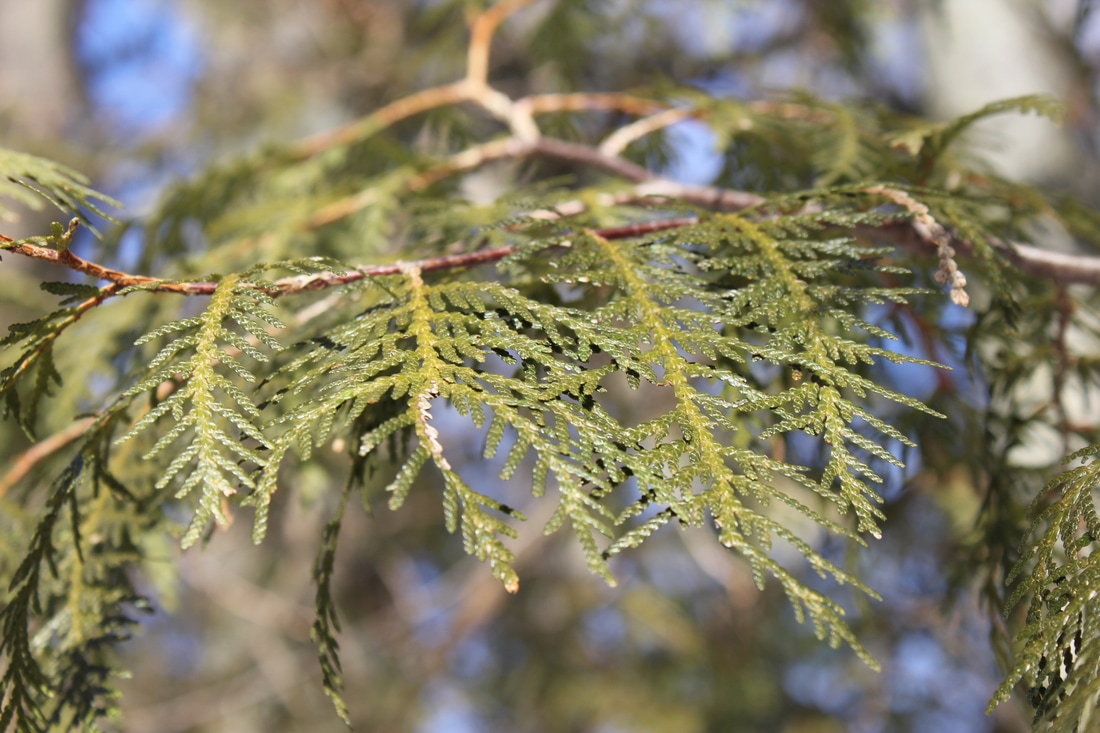
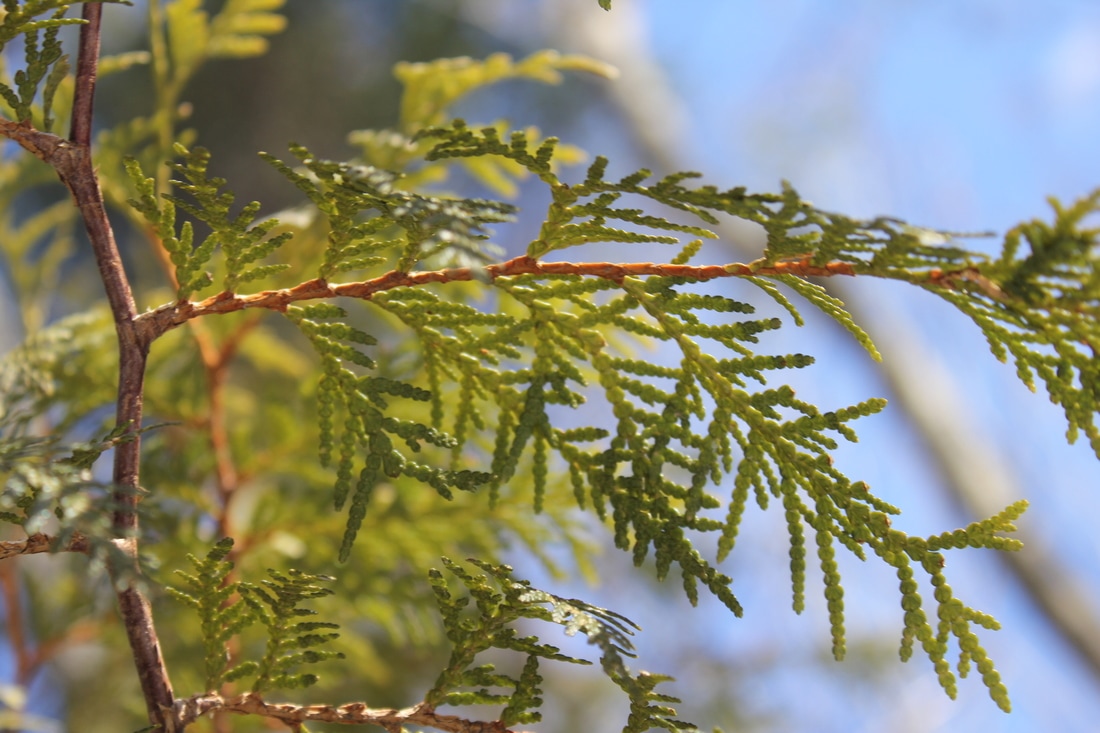
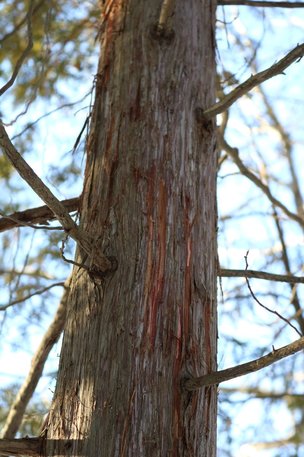
This evergreen conifer has small, flat scales for leaves and a distinctive bark with vertical stripes. Its cones are about a half inch long and occur in large numbers. The wood is soft, light, weather-resistant, and has a pleasing odor. It is a major source of food for white-tailed deer in the winter and you can often see browse sign on lower branches. The photo to the left shows marks along the trunk of a northern white cedar's bark which was probably made by deer hooves while the deer tried to reach food on higher branches. Deer tracks were in the snow beneath the tree.


Bangor Land Trust

P.O. Box 288
9 Central St, #201
Bangor, ME 04401
207-942-1010
[email protected]
EIN/Tax ID: 
33-0997433​

Subscribe to E-News & Updates

* indicates required

Connect

Picture
Picture
Picture
  • About Us
    • Mission & Core Values
    • Our Board & Staff
    • Newsletters >
      • Spring 2025
      • Fall 2024
      • Spring 2024
    • Accreditation Notice
    • Contact Us
  • Explore Our Preserves
    • Trail Map and Descriptions
    • Central Penjajawoc
    • Levant Wetlands
    • Northeast Penjajawoc
    • North Penjajawoc Forest
    • Walden-Parke
    • West Penjajawoc Grasslands
    • Map of Conserved Land
  • Events
  • Resources
    • Soundscape
    • Hunting
    • Dog Policy
    • FAQ
    • Nature Bingo >
      • Spring Flowers
      • Summer Flowers & Animals
      • Tree Leaves
      • Tree Bark Matching
      • Ferns
      • Winter Habitat
    • Scouting >
      • Boy Scout Merit Badges
      • Girl Scout Badges
  • Support
    • Donate
    • Volunteer
    • Business Sponsors