• About Us
    • Mission & Core Values
    • Our Board & Staff
    • Newsletters >
      • Spring 2025
      • Fall 2024
      • Spring 2024
    • Accreditation Notice
    • Contact Us
  • Explore Our Preserves
    • Trail Map and Descriptions
    • Central Penjajawoc
    • Levant Wetlands
    • Northeast Penjajawoc
    • North Penjajawoc Forest
    • Walden-Parke
    • West Penjajawoc Grasslands
    • Map of Conserved Land
  • Events
  • Resources
    • Soundscape
    • Hunting
    • Dog Policy
    • FAQ
    • Nature Bingo >
      • Spring Flowers
      • Summer Flowers & Animals
      • Tree Leaves
      • Tree Bark Matching
      • Ferns
      • Winter Habitat
    • Scouting >
      • Boy Scout Merit Badges
      • Girl Scout Badges
  • Support
    • Donate
    • Volunteer
    • Business Sponsors
Bangor Land Trust
  • About Us
    • Mission & Core Values
    • Our Board & Staff
    • Newsletters >
      • Spring 2025
      • Fall 2024
      • Spring 2024
    • Accreditation Notice
    • Contact Us
  • Explore Our Preserves
    • Trail Map and Descriptions
    • Central Penjajawoc
    • Levant Wetlands
    • Northeast Penjajawoc
    • North Penjajawoc Forest
    • Walden-Parke
    • West Penjajawoc Grasslands
    • Map of Conserved Land
  • Events
  • Resources
    • Soundscape
    • Hunting
    • Dog Policy
    • FAQ
    • Nature Bingo >
      • Spring Flowers
      • Summer Flowers & Animals
      • Tree Leaves
      • Tree Bark Matching
      • Ferns
      • Winter Habitat
    • Scouting >
      • Boy Scout Merit Badges
      • Girl Scout Badges
  • Support
    • Donate
    • Volunteer
    • Business Sponsors
Picture
15 June 2015
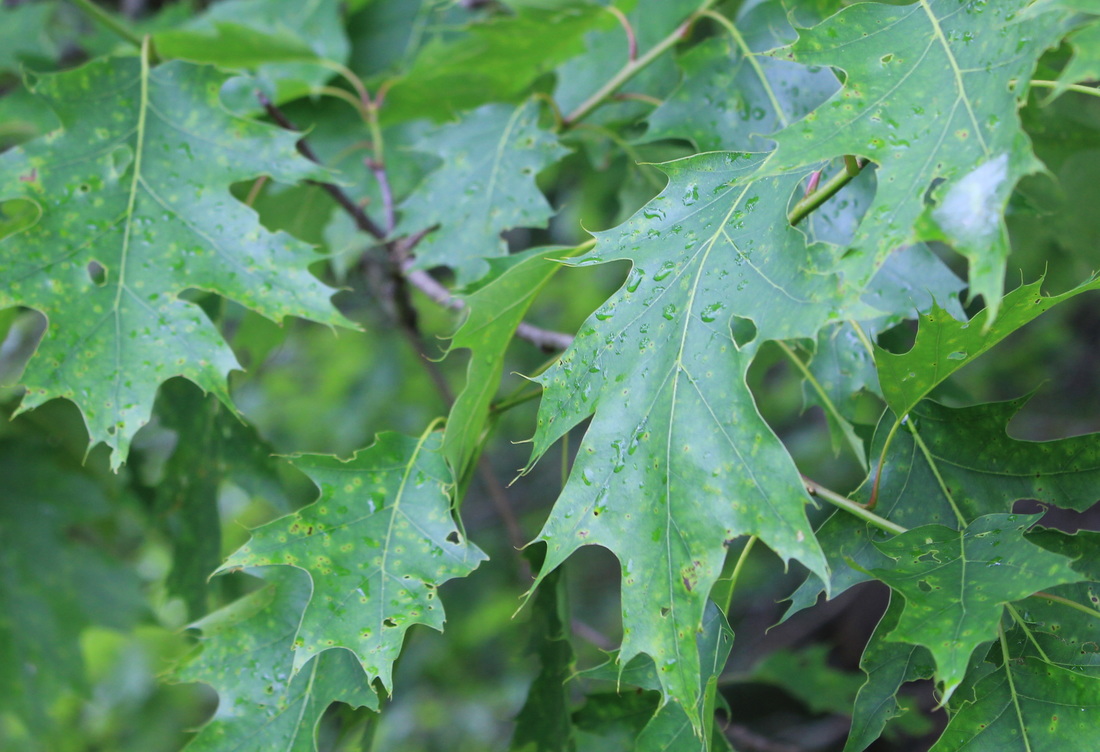
Northern Red Oak
Quercus rubra L.
West Penjajawoc Grasslands
​
This tree is very common in Bangor and can grow to be quite large. You can identify it easily by the leaves in the summer and fall. They are beautifully lobed, usually not more than halfway to the midrib. They turn brown and hang on late into the fall season. Also look for  acorns (shells and caps) on the ground nearby. Squirrels chew off the ends of oak branches to harvest the acorns from the ground. Acorns have a two-year development process and can be very heavy if conditions are right (this is called a "mast year"). Photo by Donne Sinderson

Bangor Land Trust

P.O. Box 288
9 Central St, #201
Bangor, ME 04401
207-942-1010
[email protected]
EIN/Tax ID: 
33-0997433​

Subscribe to E-News & Updates

* indicates required

Connect

Picture
Picture
Picture
  • About Us
    • Mission & Core Values
    • Our Board & Staff
    • Newsletters >
      • Spring 2025
      • Fall 2024
      • Spring 2024
    • Accreditation Notice
    • Contact Us
  • Explore Our Preserves
    • Trail Map and Descriptions
    • Central Penjajawoc
    • Levant Wetlands
    • Northeast Penjajawoc
    • North Penjajawoc Forest
    • Walden-Parke
    • West Penjajawoc Grasslands
    • Map of Conserved Land
  • Events
  • Resources
    • Soundscape
    • Hunting
    • Dog Policy
    • FAQ
    • Nature Bingo >
      • Spring Flowers
      • Summer Flowers & Animals
      • Tree Leaves
      • Tree Bark Matching
      • Ferns
      • Winter Habitat
    • Scouting >
      • Boy Scout Merit Badges
      • Girl Scout Badges
  • Support
    • Donate
    • Volunteer
    • Business Sponsors