• About Us
    • Mission & Core Values
    • Our Board & Staff
    • Newsletters >
      • Fall/Winter 2025
      • Spring 2025
      • Fall 2024
      • Spring 2024
    • Contact Us
  • Explore Our Preserves
    • Trail Map and Descriptions
    • Central Penjajawoc
    • Levant Wetlands
    • Northeast Penjajawoc
    • North Penjajawoc Forest
    • Walden-Parke
    • West Penjajawoc Grasslands
  • Events
  • Resources
    • Soundscape
    • Hunting
    • Dog Policy
    • FAQ
    • Nature Bingo >
      • Spring Flowers
      • Summer Flowers & Animals
      • Tree Leaves
      • Tree Bark Matching
      • Ferns
      • Winter Habitat
    • Scouting >
      • Boy Scout Merit Badges
      • Girl Scout Badges
  • Shop
  • Support
    • Donate
    • Volunteer
    • Business Partners
Bangor Land Trust
  • About Us
    • Mission & Core Values
    • Our Board & Staff
    • Newsletters >
      • Fall/Winter 2025
      • Spring 2025
      • Fall 2024
      • Spring 2024
    • Contact Us
  • Explore Our Preserves
    • Trail Map and Descriptions
    • Central Penjajawoc
    • Levant Wetlands
    • Northeast Penjajawoc
    • North Penjajawoc Forest
    • Walden-Parke
    • West Penjajawoc Grasslands
  • Events
  • Resources
    • Soundscape
    • Hunting
    • Dog Policy
    • FAQ
    • Nature Bingo >
      • Spring Flowers
      • Summer Flowers & Animals
      • Tree Leaves
      • Tree Bark Matching
      • Ferns
      • Winter Habitat
    • Scouting >
      • Boy Scout Merit Badges
      • Girl Scout Badges
  • Shop
  • Support
    • Donate
    • Volunteer
    • Business Partners
Picture
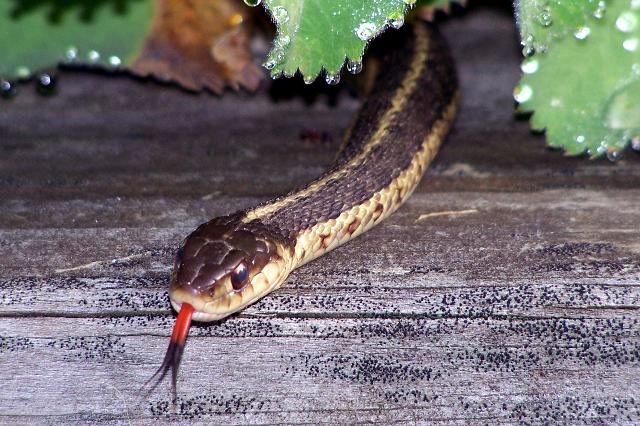
BLT board member, Shirley Ellis, took this photo of Eastern Garter Snake, or Thamnophis sirtalis. It was great timing - so fun to see the tongue in full display! Garter snakes hibernate during the winter under rocks or in mammal dens. They are the first snake to become active in the spring and are sometimes seen while there's still snow on the ground. They mate during March through May and give birth to live young (unlike other snake species that lay eggs). They eat frogs, toads, salamanders, earthworms, tadpoles, mice, bird eggs, slugs, leeches and insects. They are often found during the day in sunny spots, basking in the sun. Heat from the sun helps them digest their prey. They are active day and night and, if all goes well, live about ten years.

CONTACT US

Mailing Address:
P.O. Box 288
Bangor, ME 04402

Office Address:
9 Central St, #201
Bangor, ME 04401

(207) 942-1010
[email protected]
​
EIN/Tax ID: 
33-0997433​

Subscribe to E-News & Updates

* indicates required

Connect

Picture
Picture
Picture
  • About Us
    • Mission & Core Values
    • Our Board & Staff
    • Newsletters >
      • Fall/Winter 2025
      • Spring 2025
      • Fall 2024
      • Spring 2024
    • Contact Us
  • Explore Our Preserves
    • Trail Map and Descriptions
    • Central Penjajawoc
    • Levant Wetlands
    • Northeast Penjajawoc
    • North Penjajawoc Forest
    • Walden-Parke
    • West Penjajawoc Grasslands
  • Events
  • Resources
    • Soundscape
    • Hunting
    • Dog Policy
    • FAQ
    • Nature Bingo >
      • Spring Flowers
      • Summer Flowers & Animals
      • Tree Leaves
      • Tree Bark Matching
      • Ferns
      • Winter Habitat
    • Scouting >
      • Boy Scout Merit Badges
      • Girl Scout Badges
  • Shop
  • Support
    • Donate
    • Volunteer
    • Business Partners