• About Us
    • Mission & Core Values
    • Our Board & Staff
    • Newsletters >
      • Fall/Winter 2025
      • Spring 2025
      • Fall 2024
      • Spring 2024
    • Accreditation Notice
    • Contact Us
  • Explore Our Preserves
    • Trail Map and Descriptions
    • Central Penjajawoc
    • Levant Wetlands
    • Northeast Penjajawoc
    • North Penjajawoc Forest
    • Walden-Parke
    • West Penjajawoc Grasslands
    • Map of Conserved Land
  • Events
  • Resources
    • Soundscape
    • Hunting
    • Dog Policy
    • FAQ
    • Nature Bingo >
      • Spring Flowers
      • Summer Flowers & Animals
      • Tree Leaves
      • Tree Bark Matching
      • Ferns
      • Winter Habitat
    • Scouting >
      • Boy Scout Merit Badges
      • Girl Scout Badges
  • Support
    • Donate
    • Volunteer
    • Business Sponsors
Bangor Land Trust
  • About Us
    • Mission & Core Values
    • Our Board & Staff
    • Newsletters >
      • Fall/Winter 2025
      • Spring 2025
      • Fall 2024
      • Spring 2024
    • Accreditation Notice
    • Contact Us
  • Explore Our Preserves
    • Trail Map and Descriptions
    • Central Penjajawoc
    • Levant Wetlands
    • Northeast Penjajawoc
    • North Penjajawoc Forest
    • Walden-Parke
    • West Penjajawoc Grasslands
    • Map of Conserved Land
  • Events
  • Resources
    • Soundscape
    • Hunting
    • Dog Policy
    • FAQ
    • Nature Bingo >
      • Spring Flowers
      • Summer Flowers & Animals
      • Tree Leaves
      • Tree Bark Matching
      • Ferns
      • Winter Habitat
    • Scouting >
      • Boy Scout Merit Badges
      • Girl Scout Badges
  • Support
    • Donate
    • Volunteer
    • Business Sponsors
Picture

10 December 2007
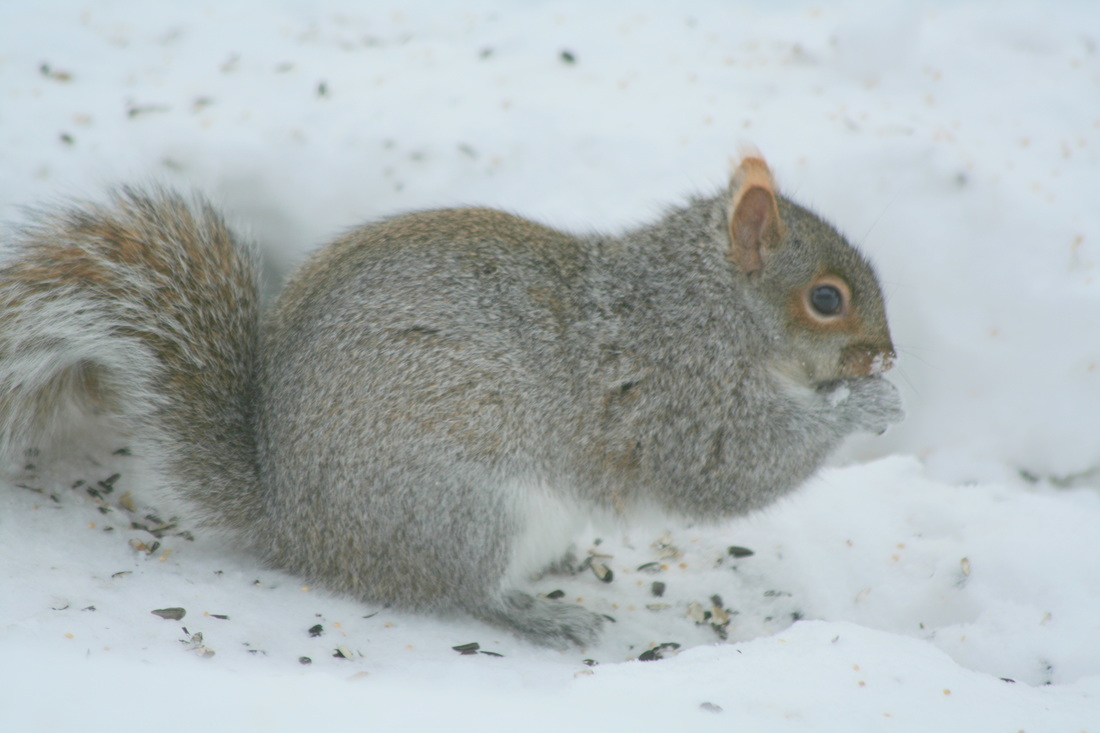
Eastern Gray Squirrel
Sciurus carolinensis

Eastern Gray Squirrels are abundant in the Bangor area. They cross the city streets like the wild characters they are, bounding confidently along the ground or more dramatically over power lines and trees, often carrying something to their hidden food caches. They generally eat tree bark and buds, berries, seeds, nuts, and fungi. In urban areas they are safer from predators like hawk, racoon, weasel, snake, owl and fox and make their nests, called dreys, out of leaves, twigs and moss on large tree branches or in hollow tree trunks. They are crepuscular which means more active during the early and late hours of the day. 
​Photo by Lucy Quimby

Bangor Land Trust

P.O. Box 288
9 Central St, #201
Bangor, ME 04401
207-942-1010
[email protected]
EIN/Tax ID: 
33-0997433​

Subscribe to E-News & Updates

* indicates required

Connect

Picture
Picture
Picture
  • About Us
    • Mission & Core Values
    • Our Board & Staff
    • Newsletters >
      • Fall/Winter 2025
      • Spring 2025
      • Fall 2024
      • Spring 2024
    • Accreditation Notice
    • Contact Us
  • Explore Our Preserves
    • Trail Map and Descriptions
    • Central Penjajawoc
    • Levant Wetlands
    • Northeast Penjajawoc
    • North Penjajawoc Forest
    • Walden-Parke
    • West Penjajawoc Grasslands
    • Map of Conserved Land
  • Events
  • Resources
    • Soundscape
    • Hunting
    • Dog Policy
    • FAQ
    • Nature Bingo >
      • Spring Flowers
      • Summer Flowers & Animals
      • Tree Leaves
      • Tree Bark Matching
      • Ferns
      • Winter Habitat
    • Scouting >
      • Boy Scout Merit Badges
      • Girl Scout Badges
  • Support
    • Donate
    • Volunteer
    • Business Sponsors