• About Us
    • Mission & Core Values
    • Our Board & Staff
    • Newsletters >
      • Fall/Winter 2025
      • Spring 2025
      • Fall 2024
      • Spring 2024
    • Contact Us
  • Explore Our Preserves
    • Trail Map and Descriptions
    • Central Penjajawoc
    • Levant Wetlands
    • Northeast Penjajawoc
    • North Penjajawoc Forest
    • Walden-Parke
    • West Penjajawoc Grasslands
  • Events
  • Resources
    • Soundscape
    • Hunting
    • Dog Policy
    • FAQ
    • Nature Bingo >
      • Spring Flowers
      • Summer Flowers & Animals
      • Tree Leaves
      • Tree Bark Matching
      • Ferns
      • Winter Habitat
    • Scouting >
      • Boy Scout Merit Badges
      • Girl Scout Badges
  • Shop
  • Support
    • Donate
    • Volunteer
    • Business Partners
Bangor Land Trust
  • About Us
    • Mission & Core Values
    • Our Board & Staff
    • Newsletters >
      • Fall/Winter 2025
      • Spring 2025
      • Fall 2024
      • Spring 2024
    • Contact Us
  • Explore Our Preserves
    • Trail Map and Descriptions
    • Central Penjajawoc
    • Levant Wetlands
    • Northeast Penjajawoc
    • North Penjajawoc Forest
    • Walden-Parke
    • West Penjajawoc Grasslands
  • Events
  • Resources
    • Soundscape
    • Hunting
    • Dog Policy
    • FAQ
    • Nature Bingo >
      • Spring Flowers
      • Summer Flowers & Animals
      • Tree Leaves
      • Tree Bark Matching
      • Ferns
      • Winter Habitat
    • Scouting >
      • Boy Scout Merit Badges
      • Girl Scout Badges
  • Shop
  • Support
    • Donate
    • Volunteer
    • Business Partners
Picture
24 October 2015
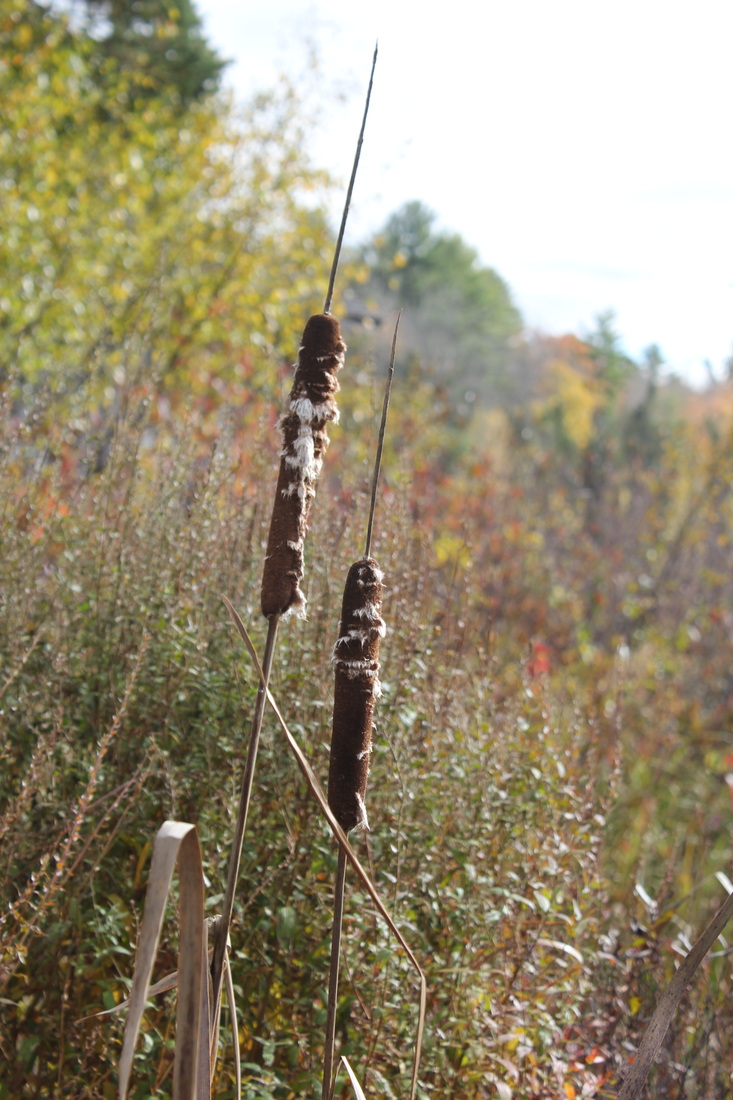
Common Cattail
Typha latifolia
Leonard's Mills, Bradley, Maine

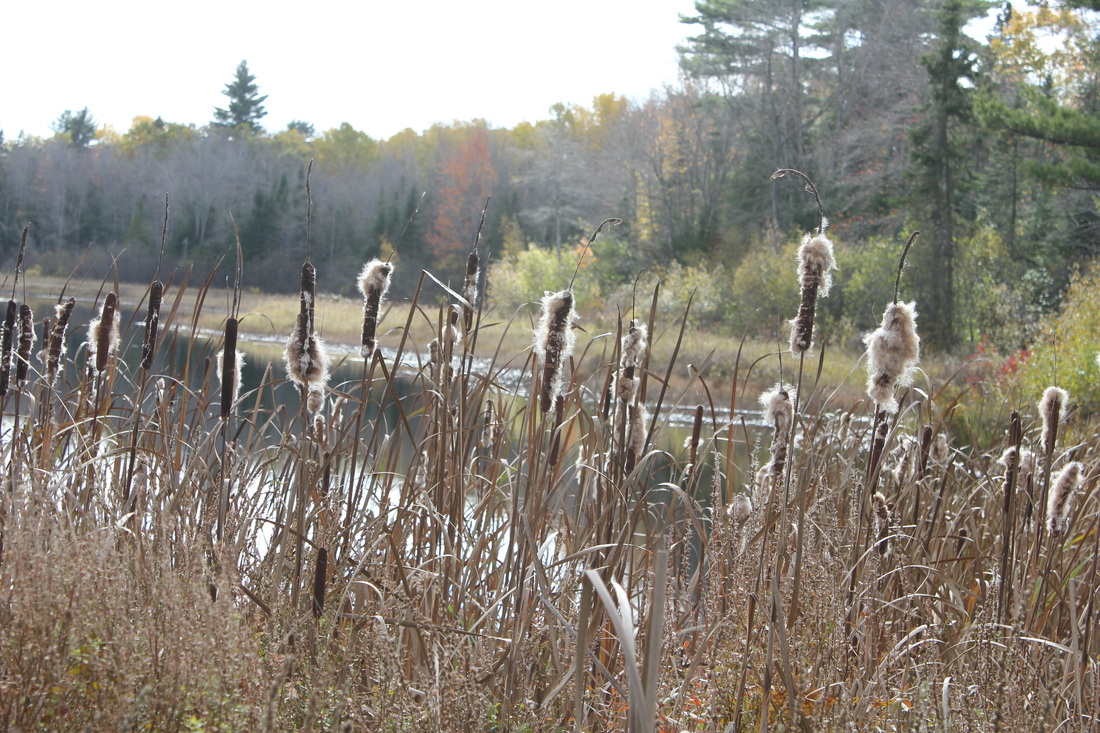
Most everyone can identify a Cattail. The flowers are located in spikes at the top of a very tall stem and are unique. There are actually two types of flowers - staminate on the upper part and pistillate on the lower. The flowers are spent in these photos - here the seeds are dispersing. Birds help with the process too. They use this fuzzy seed material for nests.

There are two types of Cattails - Common Cattail pictured here and Narrow-leaved Cattail (T. augustifolia)  with 1/2 inch leaves. In the flowering stage, there is a gap between the two types of flowers in the Narrow-leaved. It is a coastal species and not common inland.

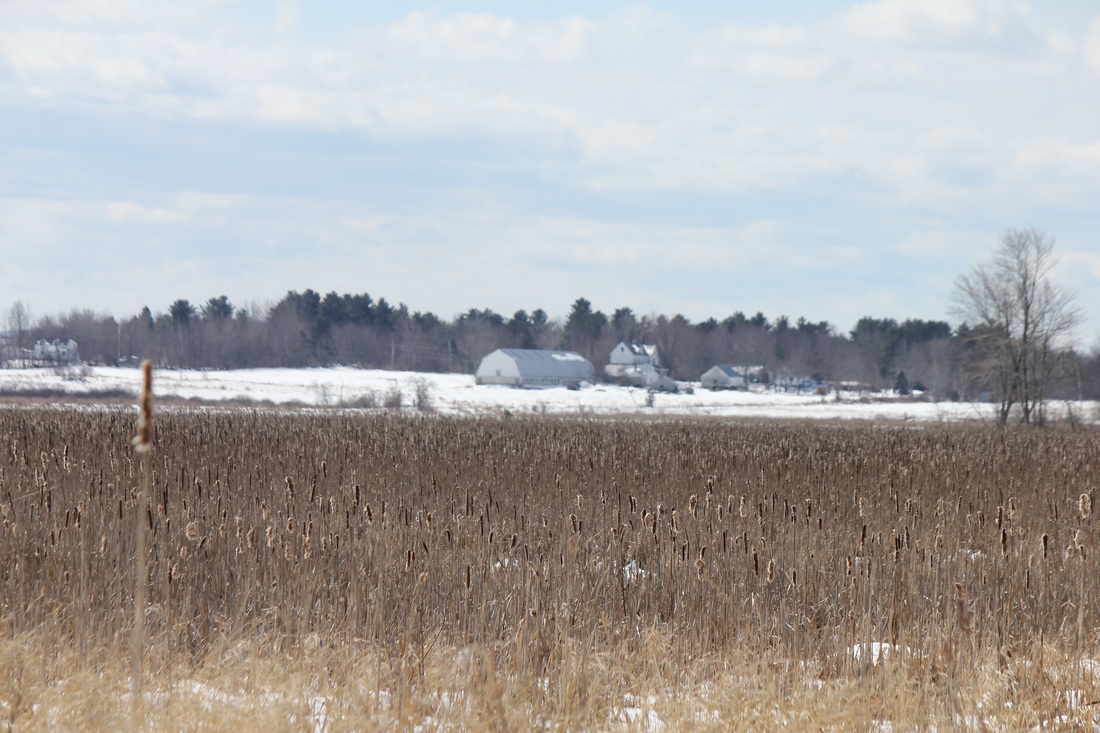
The Penjajawoc Marsh is loaded with cattails. The photo below was taken from the edge of the marsh at West Penjajawoc Grasslands in March of 2013.

​Photos by Donne Sinderson
Picture
Picture

CONTACT US

Mailing Address:
P.O. Box 288
Bangor, ME 04402

Office Address:
9 Central St, #201
Bangor, ME 04401

(207) 942-1010
[email protected]
​
EIN/Tax ID: 
33-0997433​

Subscribe to E-News & Updates

* indicates required

Connect

Picture
Picture
Picture
  • About Us
    • Mission & Core Values
    • Our Board & Staff
    • Newsletters >
      • Fall/Winter 2025
      • Spring 2025
      • Fall 2024
      • Spring 2024
    • Contact Us
  • Explore Our Preserves
    • Trail Map and Descriptions
    • Central Penjajawoc
    • Levant Wetlands
    • Northeast Penjajawoc
    • North Penjajawoc Forest
    • Walden-Parke
    • West Penjajawoc Grasslands
  • Events
  • Resources
    • Soundscape
    • Hunting
    • Dog Policy
    • FAQ
    • Nature Bingo >
      • Spring Flowers
      • Summer Flowers & Animals
      • Tree Leaves
      • Tree Bark Matching
      • Ferns
      • Winter Habitat
    • Scouting >
      • Boy Scout Merit Badges
      • Girl Scout Badges
  • Shop
  • Support
    • Donate
    • Volunteer
    • Business Partners